The Bathroom Is the Most Dangerous Room in the House. Here’s How to Make It Safe for Seniors
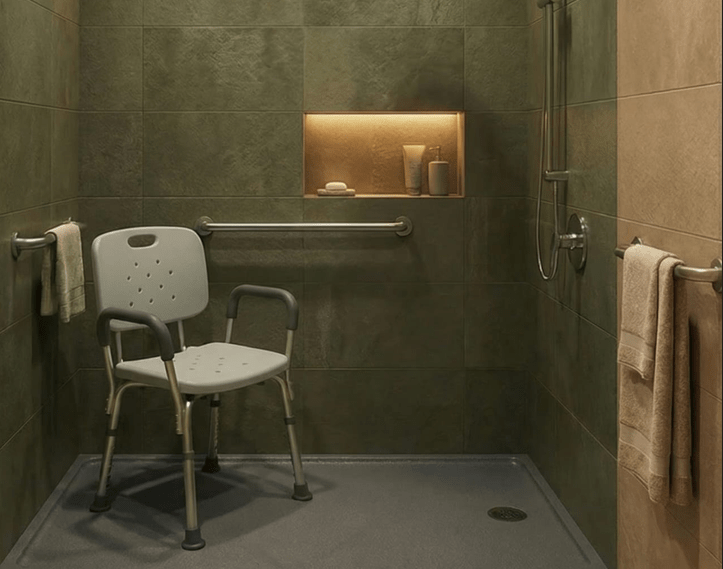
Most people assume the kitchen or the staircase is the riskiest spot at home, but for older adults, the bathroom is the place where accidents happen most often. The combination of water, slippery floors, tight spaces and bending or reaching can turn simple daily routines into real hazards. The good news is that you do not need major renovations to make a bathroom safer. Small changes can dramatically reduce the risk of falls and keep aging parents as independent as possible. Here is a practical, room by room look at what actually works, why these upgrades matter and how families can make a meaningful difference without overwhelming anyone.
Why the Bathroom Becomes a Risk for Seniors
With age, the body changes in ways people do not always notice right away. Balance becomes a little less steady. Muscle strength takes more effort to maintain. Reaction time slows down. Vision becomes softer, especially in low light. All of this makes wet surfaces and quick movements extra challenging.
Common dangers in most American bathrooms include
Smooth and shiny tiles that turn slick when wet
Low toilets that require more bending and pressure on the knees
High tub edges that are hard to step over
Shower floors without grip
No support to hold while getting in or out
Poor lighting
Rugs that slide
These seem like small things, but they create the exact conditions where a fall can happen without warning. And once someone slips in a bathroom, the space is tight, there is nothing soft to land on, and help is usually not nearby.
Simple Upgrades That Make a Big Difference
Most families think bathroom safety means big construction work. It does not. Many improvements can be done quickly, even in older homes and small bathrooms.
Grab bars near the toilet and shower
A solid grab bar gives seniors a steady support point when standing up, sitting down or shifting weight. This reduces strain on the back and knees and helps prevent sudden loss of balance.
A raised toilet seat or comfort height toilet
Low seating makes seniors feel like they are “falling into” the toilet. A raised seat makes sitting and standing much smoother and less painful.
A non slip shower floor
A textured or treated shower floor offers instant traction. Even a thin layer of water becomes much less dangerous when the surface grips instead of gliding.
A walk in shower or a low step entry
For seniors with limited mobility, stepping over a tall tub edge is one of the hardest movements. Reducing the step or converting to a walk in shower removes that obstacle completely.
A shower chair or bench
This allows seniors to sit and bathe without feeling rushed or tired. It also gives them a safe way to wash their legs and feet without bending.
Better lighting
A bright, evenly lit bathroom helps seniors see clearly. Soft shadows, dim corners and warm bulbs make it harder to spot puddles or obstacles.
Handheld shower heads
These make bathing easier for those who want support while washing or who prefer to stay seated on a shower chair.
Anti slip mats outside the shower
While the inside of the shower gets attention, the area right outside often causes slips too. A secure, non-slip mat helps stop that.
What Families Often Overlook
Even when the major hazards are fixed, there are a few details that many people forget. Doorway space Some bathrooms are so tight that a walker or wheelchair cannot fit through. Even a small adjustment to the doorway can make movement safer and smoother. Water temperature control Sudden temperature changes can cause burns or confusion. A simple thermostatic valve keeps the water steady. Safe storage Reaching for towels, soaps or grooming items while balancing on one foot is risky. Keeping everything at easy arm height prevents accidents. Clear paths Seniors often keep extra baskets, stools or rugs in their bathroom without realizing these become tripping hazards. A cleaner layout equals a safer bathroom.
Why Making the Bathroom Safe Matters for the Whole Family
Bathroom safety is not only about preventing falls. It is also about preserving dignity, independence and confidence. When older parents feel secure in their own bathroom, they depend less on others. They stay active longer. They stay at home longer. And families feel peace of mind knowing that daily routines do not put their loved ones at risk. Most importantly, these upgrades address problems before they turn into emergencies. A fall can create a sudden change in everything. A safe bathroom protects seniors and protects families from that shock.
When to Consider a Professional Evaluation
Every home is different. Some bathrooms need only a few adjustments. Others may require stronger support bars, sturdier railings or a safer shower structure. A professional home accessibility specialist can look at the layout, the senior’s mobility level and the unique challenges of the space. They can recommend exactly what is needed and install everything correctly so that support bars and equipment can hold real weight and last for years. If you want help figuring out where to start, All Access offers a free home safety evaluation and can walk you through the best options for your parents’ comfort and safety.
If you want help figuring out what your parents need, our team can take a look and guide you through your safest options. Schedule a free home safety visit.
Most people assume the kitchen or the staircase is the riskiest spot at home, but for older adults, the bathroom is the place where accidents happen most often. The combination of water, slippery floors, tight spaces and bending or reaching can turn simple daily routines into real hazards. The good news is that you do not need major renovations to make a bathroom safer. Small changes can dramatically reduce the risk of falls and keep aging parents as independent as possible. Here is a practical, room by room look at what actually works, why these upgrades matter and how families can make a meaningful difference without overwhelming anyone.
Why the Bathroom Becomes a Risk for Seniors
With age, the body changes in ways people do not always notice right away. Balance becomes a little less steady. Muscle strength takes more effort to maintain. Reaction time slows down. Vision becomes softer, especially in low light. All of this makes wet surfaces and quick movements extra challenging.
Common dangers in most American bathrooms include:
Smooth and shiny tiles that turn slick when wet
Low toilets that require more bending and pressure on the knees
High tub edges that are hard to step over
Shower floors without grip
No support to hold while getting in or out
Poor lighting
Rugs that slide
These seem like small things, but they create the exact conditions where a fall can happen without warning. And once someone slips in a bathroom, the space is tight, there is nothing soft to land on, and help is usually not nearby.
Simple Upgrades That Make a Big Difference
Most families think bathroom safety means big construction work. It does not. Many improvements can be done quickly, even in older homes and small bathrooms.
Grab bars near the toilet and shower
A solid grab bar gives seniors a steady support point when standing up, sitting down or shifting weight. This reduces strain on the back and knees and helps prevent sudden loss of balance.
A raised toilet seat or comfort height toilet
Low seating makes seniors feel like they are “falling into” the toilet. A raised seat makes sitting and standing much smoother and less painful.
A non slip shower floor
A textured or treated shower floor offers instant traction. Even a thin layer of water becomes much less dangerous when the surface grips instead of gliding.
A walk in shower or a low step entry
For seniors with limited mobility, stepping over a tall tub edge is one of the hardest movements. Reducing the step or converting to a walk in shower removes that obstacle completely.
A shower chair or bench
This allows seniors to sit and bathe without feeling rushed or tired. It also gives them a safe way to wash their legs and feet without bending.
Better lighting
A bright, evenly lit bathroom helps seniors see clearly. Soft shadows, dim corners and warm bulbs make it harder to spot puddles or obstacles.
Handheld shower heads
These make bathing easier for those who want support while washing or who prefer to stay seated on a shower chair.
Anti slip mats outside the shower
While the inside of the shower gets attention, the area right outside often causes slips too. A secure, non-slip mat helps stop that.
What Families Often Overlook
Even when the major hazards are fixed, there are a few details that many people forget. Doorway space Some bathrooms are so tight that a walker or wheelchair cannot fit through. Even a small adjustment to the doorway can make movement safer and smoother. Water temperature control Sudden temperature changes can cause burns or confusion. A simple thermostatic valve keeps the water steady. Safe storage Reaching for towels, soaps or grooming items while balancing on one foot is risky. Keeping everything at easy arm height prevents accidents. Clear paths Seniors often keep extra baskets, stools or rugs in their bathroom without realizing these become tripping hazards. A cleaner layout equals a safer bathroom.
Why Making the Bathroom Safe Matters for the Whole Family
Bathroom safety is not only about preventing falls. It is also about preserving dignity, independence and confidence. When older parents feel secure in their own bathroom, they depend less on others. They stay active longer. They stay at home longer. And families feel peace of mind knowing that daily routines do not put their loved ones at risk. Most importantly, these upgrades address problems before they turn into emergencies. A fall can create a sudden change in everything. A safe bathroom protects seniors and protects families from that shock.
When to Consider a Professional Evaluation
Every home is different. Some bathrooms need only a few adjustments. Others may require stronger support bars, sturdier railings or a safer shower structure. A professional home accessibility specialist can look at the layout, the senior’s mobility level and the unique challenges of the space. They can recommend exactly what is needed and install everything correctly so that support bars and equipment can hold real weight and last for years. If you want help figuring out where to start, All Access offers a free home safety evaluation and can walk you through the best options for your parents’ comfort and safety.
The bathroom is the most dangerous room for aging parents.
Learn simple upgrades that prevent falls and make everyday routines safer and easier at home.
If you want help figuring out what your parents need, our team can take a look and guide you through your safest options. Schedule a free home safety visit.