Door Threshold Ramp for Wheelchair Access: What You Need to Know
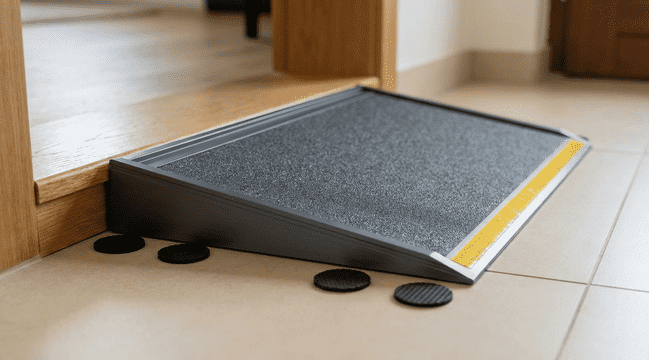
What Is a Door Threshold Ramp?
A door threshold ramp might seem like a tiny thing, but it can make a huge difference if you or someone you care for have mobility challenges. Think of it as a gentle slope that bridges those awkward steps at your front, back or even interior doors. No more struggling with wheelchair wheels, walkers or canes just to get in and out.
Some ramps are portable; you can just lay them down when you need them. Others are bolted in for good, long-term use. They come in rubber, aluminum, or modular pieces, and can be temporary or permanent. Either way, they make movement safer and way less stressful.
Why Door Threshold Ramps Matter
Raised door thresholds are everywhere. Apartments, homes, public buildings, you name it. For someone in a wheelchair, using a walker or even with limited mobility, that little step can feel like a wall. Without a ramp the risk of trips, falls or constant frustration goes way up.
Here’s what a threshold ramp does for you:
- Smooth, safe wheelchair access
- Fewer trips and falls
- Helps meet ADA or other accessibility standards
- Makes entry easier for caregivers or visitors
Common Problems Caused by Raised Door Thresholds
- Trips and falls: Even a small door lip can catch someone off guard.
- Wheelchair or walker trouble: Wheels get stuck, walkers snag, and it’s just plain frustrating.
- Equipment wear: Constant bumps wear down wheelchair tires or walker tips over time.
- Limited independence: Without a ramp, someone may need help just to get inside.
Types of Door Threshold Ramps
Not every ramp works for every situation. Depending on your doorway, space, and mobility needs:
- Rubber ramps: Flexible, non-slip, easy to move around—great for temporary setups.
- Aluminum ramps: Tough, long-lasting, perfect for permanent installations.
- Modular ramps: Adjustable pieces that can handle different threshold heights.
- ADA-compliant ramps: Built to meet slope and safety regulations.
How to Pick the Right Ramp
A few things to consider:
- Threshold height
- How often the ramp will be used
- Indoor vs. outdoor placement
- Weight capacity
- Type of mobility device (wheelchair, walker, scooter)
If you’re not 100% sure, getting professional ramp installation help is worth it. A ramp that’s too steep or wobbly can actually be more dangerous than no ramp at all.
Indoor vs Outdoor Use
- Indoor ramps: Usually shorter, lighter, non-slip. Rubber or modular ramps are common.
- Outdoor ramps: Must handle rain, sun, and wear. Aluminum or treated modular ramps work best here.
When You Might Need Professional Support
Some doorways aren’t straightforward. Maybe the threshold is unusually high or oddly shaped. Professionals can:
- Take precise measurements
- Make sure the slope is safe for wheelchair use
- Recommend long-lasting materials
How All Access Helps
All Access works with homeowners and caregivers to find solutions without making it complicated. Whether it’s a portable ramp for temporary use or a permanent setup, they make sure your ramp is safe, reliable, and compliant.
Safety, Maintenance, and Durability Tips
- Clean ramps regularly to prevent slips
- Inspect for cracks, wear, or damage
- Make sure the ramp sits at the right angle
- Check weight limits before use
- Store portable ramps safely when not in use
Common Mistakes People Make
- Picking the wrong height or slope
- Choosing materials that won’t last
- Forgetting indoor vs. outdoor considerations
- Skipping installation guidance
- Ignoring ADA or accessibility compliance
Next Steps for Homeowners and Caregivers
- Measure your doorway and threshold carefully
- Decide if the ramp is for indoor, outdoor, or both uses
- Choose a material that fits your needs rubber, aluminum, modular
- Consider professional installation if it seems tricky
- Keep the ramp clean and inspect it regularly
- Make sure your ramp meets accessibility standards so everyone can use it safely
FAQs
1. What is a door threshold ramp?
It’s a small ramp that bridges raised door thresholds, making entry safer and easier for wheelchairs, walkers, and other mobility aids.
2. Can door threshold ramps be used outdoors?
Yes. Outdoor ramps should be durable, weather-resistant, and non-slip.
3. Do I need professional help for ramp installation?
Sometimes, yes. Permanent or steep thresholds may need precise slope measurements and proper installation.
4. Are door threshold ramps ADA compliant?
Some are. Always check specs to make sure your ramp meets ADA or accessibility guidelines.
5. How do I maintain a door threshold ramp?
Keep it clean, inspect for cracks or wear, and store portable ramps safely when not in use.
6. Can All Access LLC help me choose the right ramp?
Absolutely. All Access LLC can guide you to the safest and most suitable ramp for your home and mobility needs.
Read More: