Ramps for Disabled People: Your Complete Guide
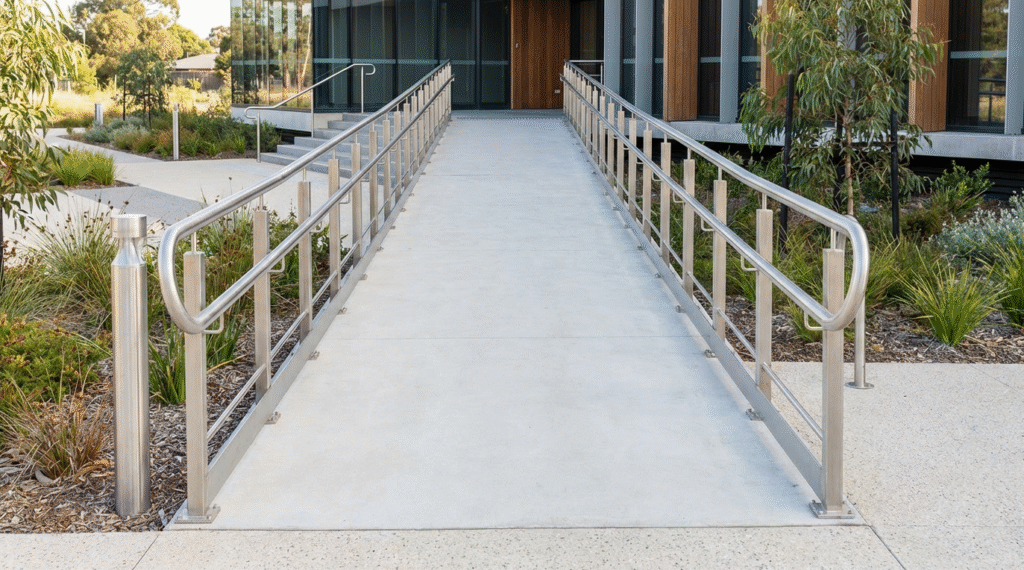
Making sure people can get in and out of homes or businesses safely is kind of a big deal. Ramps for disabled people are one of the simplest ways to do that. They are reliable, help folks in wheelchairs, seniors, anyone who moves a bit slower or struggles with stairs. No magic, just a practical solution.
Best Portable Ramps for Disabled People with Wheelchair Access
Portable ramps are a versatile accessibility solution suitable for a wide range of needs. They are flexible, easy to move around and super handy if you don’t need something permanent.
A few things to keep in mind:
- Lightweight and foldable: You can carry it, tuck it away or store it in a closet without a wrestling match.
- Durable materials: Aluminum or reinforced steel usually does the trick, so it won’t buckle under heavier loads.
- Wheelchair friendly design: Non slip surfaces, raised edges, stuff you might not think about until it saves someone from a scary slip.
- Quick installation: No construction crew needed, no permanent changes, just pop it in place and you are good.
- All Access is a leading home accessibility solution, offering high quality portable ramps for disabled individuals.
Honestly these portable ramps for disabled people with wheelchair access are great for home use, trips or anywhere when you need temporary mobility support.
Affordable Threshold Ramps for Disabled Wheelchair Users
Threshold ramps are those little helpers that get you over small steps or tricky doorways. They are low profile but make a huge difference. Here’s the gist:
- Low cost options: Rubber or lightweight aluminum versions are usually easy.
- Custom fit sizes: Make sure it actually fits the doorway or step height because “close enough” doesn’t cut it.
- Indoor/outdoor use: Some are weatherproof, some aren’t pick the right one for the environment.
Using affordable threshold ramps for disabled wheelchair users can make daily life way smoother without tearing up your doorway or spending a fortune.
Companies That Provide Custom Ramps for Disabled Individuals
Sometimes, the standard ramps just don’t work, stairs are weird, slopes are awkward or your space is just unusual. That’s when custom ramps come in. Good companies usually offer:
- Tailored measurements: They will make it fit your space exactly
- Durable construction: Materials that last, not something that sags after a few months.
- Professional installation: So it is safe, solid and meets ADA standards.
Top Companies for Custom Ramps for Disabled Individuals:
1. All Access:
All Access is a trusted home accessibility solutions provider that offers customized wheelchair ramps, portable ramps, and modular ramp systems tailored to individual needs. They assist with design, installation, and ongoing support, ensuring accessibility and comfort throughout your home.
2. Atlantic Healthcare Products:
Atlantic Healthcare Products specializes in modular and custom wheelchair ramps for residential and commercial spaces. They design ADA-compliant ramps in aluminum and steel, with options for handrails, multiple layouts, and quick installation to fit specific home access needs.
3. Altamira Ltd:
Altamira Ltd. offers customizable ramp solutions, including modular wheelchair ramps engineered for strength, ADA compliance, and versatile configurations. Their ramps are tailored to fit unique entryways and layouts, with professional installation by trained mobility specialists.
4. American Access:
American Access is a nationwide provider of modular ramp systems that can be customized for residential or commercial accessibility needs. Their ramps are made in the U.S., designed to meet ADA standards, and can be installed quickly to improve mobility and independence.
These trusted companies that provide custom ramps for disabled people can sort you out whether it’s for your home, your business, or a community facility.
ADA-Compliant Ramps for Home and Business Entrances
Following the ADA rules actually keeps things safer. Here’s what counts:
- Ramp slope: Ideally 1:12 (1 inch of rise per 12 inches of ramp). Not just a suggestion.
- Minimum width: At least 36 inches so wheelchairs fit without scraping the sides.
- Handrails: Required for ramps over 6 inches in rise. Safety first.
- Non-slip surfaces: Wet ramps are accidents waiting to happen.
Installing ADA-compliant ramps for home and business entrances means you are covering accessibility and following the law. Win-win.
How to Choose the Right Ramp Slope for Disabled Access
Slope might sound simple, but it can make or break a ramp. Think about:
- Standard slope ratio: 1:12 is the usual for general wheelchair use.
- Short ramps: If space is tight, you can get a slightly steeper slope.
- Longer ramps: Gentle incline is easier and safer, especially for longer stretches.
- Consider user strength: A steep ramp might be fine for powered wheelchairs but tough on manual ones.
Knowing how to choose the right ramp slope for disabled access is key. It keeps people safe, independent, and actually able to use the ramp without a struggle.
Ramps for disabled people matter because it makes life easier. Portable, threshold, custom, or ADA-compliant they all have their place. Follow slope guidelines, pick the right type for your situation, and you’re giving someone safe, reliable mobility. It’s that simple.
Contact All Access for professional ramp installation and dedicated support.