Metal Ramps for Wheelchairs: A Complete Guide to Safe & Reliable Access
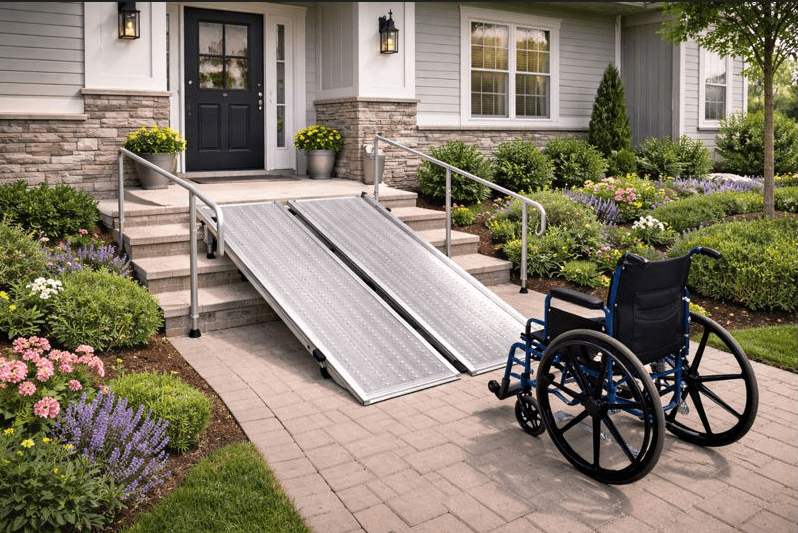
Metal ramps for wheelchairs tend to be one of those things people don’t think much about until they really need one. Once accessibility becomes a daily concern, though, metal ramps usually rise to the top pretty quickly. They’re sturdy, they hold up over time, and they don’t ask for much attention once they’re in place. For homes, businesses or public spaces that need reliable wheelchair access, they are often the most practical option.
If you are trying to figure out the right setup, maybe for yourself, a family member or a building you manage, it helps to know how metal ramps actually work and what to expect from them. It also helps to understand where All Access fits into the picture. That alone can take a lot of guesswork out of the decision.
Quick Snapshot
What are metal wheelchair ramps?
They’re sloped ramps made from aluminum or steel that let wheelchairs move safely over steps, curbs, or uneven surfaces.
Who usually needs them?
Private homes, stores, offices, hospitals, schools, warehouses sometimes even temporary event spaces.
Why do people go with All Access?
Custom sizing, solid materials, and ramps designed to handle everyday use without becoming a problem later.
What Are Metal Ramps for Wheelchairs, Really?
At their core, metal ramps for wheelchairs are pretty straightforward. They are angled surfaces built from tough metals, most often aluminum or galvanized steel that create a smooth path where stairs or raised edges would normally get in the way. When designed correctly, they can function as ADA wheelchair ramps while still fitting naturally into the space.
Compared to wood or concrete, metal just handles more. Rain, sun, foot traffic, wheelchairs rolling back and forth all day it doesn’t faze it much. That’s why you’ll see metal ramps used indoors, outdoors, and everywhere in between.
Why Metal Ramps Are Often the Go-To Choice
There’s a reason people keep choosing metal ramps even when cheaper options exist.
A few practical advantages:
- They can support a lot of weight without flexing
- The surfaces are usually textured or coated so they’re not slick
- Maintenance is minimal (no sealing, repainting, or patching every year)
- They work for both permanent setups and temporary ones
- They last a long time often decades
When access needs to be dependable every single day, metal ramps for wheelchairs tend to hold up better than most alternatives.
Different Types of Metal Wheelchair Ramps
Not every ramp situation is the same, and metal ramps come in a few flavors.
1. Permanent Ramps
These are fixed installations once they’re in, they’re staying put.
Common places you’ll see them:
- Office entrances
- Medical facilities
- Homes where long-term access is needed
2. Modular Ramps
These are more flexible. They’re built in sections, so they can be adjusted or expanded later.
Good fit for:
- Families whose needs may change
- Temporary housing
- Rental properties
3. Portable Ramps
A wheelchair portable ramp is exactly what it sounds like: easy to move, easy to store.
Often used for:
- Travel
- Short term access needs
- Events or pop up locations
Using Metal Ramps for Wheelchair Access at Home
At home, a ramp can make the difference between relying on help and moving independently. Installing metal ramps for wheelchair access doesn’t usually require tearing apart the house or doing major construction.
Common spots at home include:
- Front door entrances
- Garage thresholds
- Patio or deck transitions
- Small steps that block daily movement
Many homeowners like metal ramps because they’re clean-looking, quick to install and don’t get wrecked by weather after a single season.
Metal Ramps for Disabled Access in Commercial Spaces
For businesses and public buildings, metal ramps for disabled access aren’t just helpful they’re often required. But beyond compliance, they make spaces usable for everyone.
You’ll see them in places like:
- Retail stores
- Office buildings
- Schools and colleges
- Hospitals and clinics
All Access designs ramps that meet accessibility standards without making the building look like an afterthought.
How All Access Fits In
All Access focuses on accessibility solutions that are meant to last, not quick fixes that turn into problems later.
What they do well:
- Custom ramp sizes and layouts
- High-quality aluminum and steel
- Built-in slip resistance
- Real guidance, from planning through installation
The idea is simple: you don’t just get a ramp you get something that works reliably over time.
Metal vs Other Ramp Materials
| Feature | Metal Ramps | Wooden Ramps | Concrete Ramps |
| Durability | High | Medium | Very High |
| Maintenance | Low | High | Low |
| Portability | Available | Limited | None |
| Installation Time | Fast | Moderate | Long |
| Weather Resistance | Excellent | Poor | Good |
For most situations, metal ramps for wheelchairs hit the sweet spot between strength, flexibility, and overall cost.
Safety Features That Actually Matter
A ramp should never feel risky. If it does, something’s wrong.
Things worth checking:
- Non-slip surface (especially outdoors)
- Raised edges so wheels don’t drift off
- Smooth transitions at the top and bottom
- A slope that isn’t too steep
- Solid anchoring so nothing shifts
All Access includes these basics as standard, not upgrades.
How Much Does a Metal Ramp Cost?
This is usually one of the first questions people ask and the answer depends.
Costs are influenced by:
- Ramp length and width
- Whether it’s permanent, modular, or portable
- Installation complexity
- Any custom design needs
Very general breakdown:
- Portable ramps: lower cost, short-term use
- Modular ramps: mid-range pricing
- Permanent ramps: higher upfront cost, better long-term value
Metal ramps for wheelchairs may cost more than wood initially, but they usually pay off over time.
What Installation Looks Like
The process isn’t complicated, but it does need to be done right.
- Site measurement and assessment
- Planning the ramp layout
- Choosing materials
- Fabrication
- Installation and final safety checks
All Access makes sure everything lines up before calling it done.
Maintenance and Longevity
One of the nicer things about metal ramps is how little they ask for.
Basic upkeep includes:
- Cleaning once in a while
- Checking bolts and fasteners annually
- Clearing debris so surfaces stay grippy
Do that, and a metal ramp can last for decades without much fuss.
FAQs: Metal Ramps for Wheelchairs
1. What are metal ramps for wheelchairs used for?
They provide safe wheelchair access over steps, curbs, and elevated surfaces.
2. How much does a metal ramp cost?
Costs vary by size, type, and installation needs, ranging from portable to permanent solutions.
3. Are metal wheelchair ramps suitable for home use?
Yes, especially for long-term and weather-exposed access points.
4. Can metal ramps be installed temporarily?
Yes, modular and portable metal ramps for wheelchair users are ideal for temporary use.
5. Are metal ramps safe in wet conditions?
Slip-resistant surfaces make them safe for outdoor use.
6. How long do metal ramps last?
With minimal maintenance, they can last 20+ years.
7. Do metal ramps meet accessibility standards?
When designed properly, yes. All Access ensures compliance.
8. Can ramps be customized for unique layouts?
Yes, custom configurations are available.
9. Are metal ramps better than wooden ramps?
They offer better durability, safety, and lower long-term maintenance.
10. Do I need professional installation?
Professional installation ensures safety, compliance, and long-term performance.
Why Metal Ramps Are a Smart Accessibility Investment
Metal ramps for wheelchairs provide unmatched durability, safety, and flexibility for both residential and commercial environments. From improving independence at home to ensuring compliant access in public spaces, they remain one of the most effective accessibility solutions available.
Ready to Improve Accessibility?
All Access delivers expertly designed, long-lasting metal ramp solutions tailored to real-world needs.
Contact All Access today to explore safe, compliant, and reliable wheelchair access solutions.