Disability Ramp for Home: A Smart Solution for Safe & Barrier-Free Living
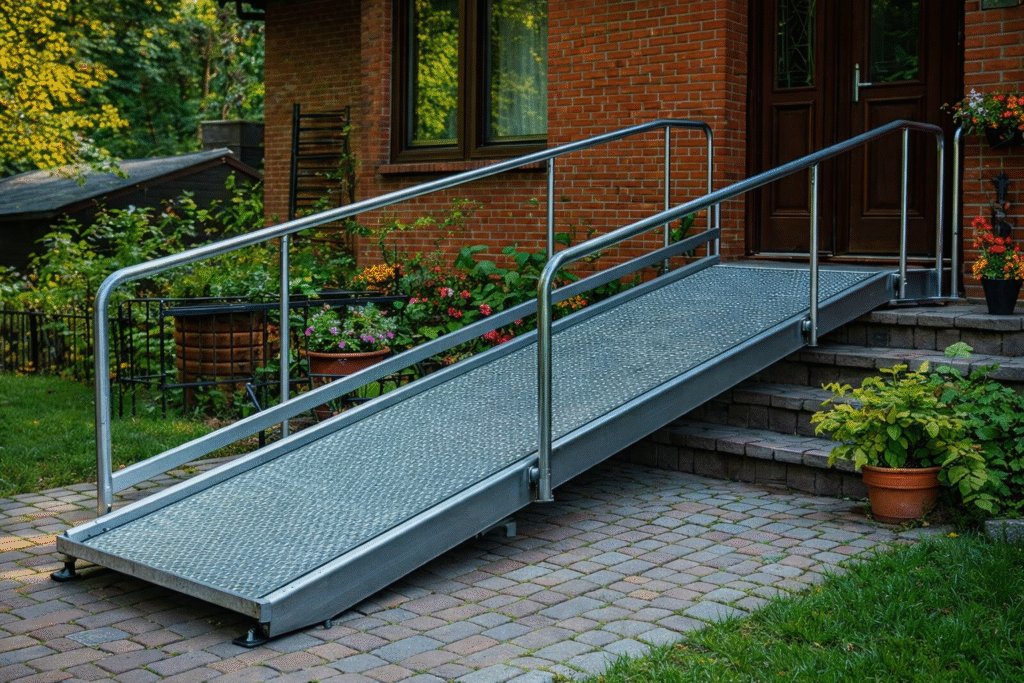
A home should feel safe, comfortable, and accessible to everyone. For individuals with mobility challenges, stairs can become daily obstacles. Installing a disability ramp for home is one of the most practical and life-changing upgrades you can make.
Whether you are planning ahead for aging in place or responding to an immediate medical need, the right disability ramp for home can restore independence and improve overall safety.
When Do You Need a Disability Ramp for Home?
Many families consider a disability ramp for home during situations such as:
- Post-surgery recovery
- Senior mobility decline
- Permanent wheelchair use
- Long-term disability support
- Caregiver-assisted living
A properly installed home disability ramp removes the stress of navigating steps and reduces the risk of slips and falls.
Key Features of a High-Quality Residential Ramp
Not all ramps are built the same. A reliable residential disability ramp should include:
1. Safe Slope Design
The incline must follow recommended accessibility guidelines to ensure smooth wheelchair movement. A well-designed wheelchair ramp for home prevents tipping or strain.
2. Slip-Resistant Surface
Weather conditions can make surfaces slippery. A secure accessible home ramp includes textured or anti-slip materials.
3. Strong Weight Capacity
A durable mobility ramp for home must support wheelchairs, power scooters, and caregivers assisting users.
4. Proper Handrails
For added safety, many homeowners install handrails with their disability ramp for home.
Permanent vs Portable Disability Ramp for Home
Choosing between permanent and portable options depends on your long-term needs.
Permanent Installation
A fixed disability ramp for home is ideal for long-term accessibility. These ramps are securely anchored and offer maximum stability.
Portable Option
A portable disability ramp for home works well for temporary situations. These ramps can be folded, moved, or stored easily when not in use.
Both options provide safe access, but your choice depends on duration, budget, and home layout.
Materials Used in Home Disability Ramps
The material of your disability ramp for home affects durability and maintenance.
- Aluminium: Lightweight, rust-resistant, and low maintenance
- Wood: Customizable but requires maintenance
- Concrete: Long-lasting but permanent
- Steel: Strong but may rust over time
Many homeowners prefer aluminum for a modern handicap ramp for home because it combines durability with easy installation.
Benefits of Installing a Disability Ramp for Home
Adding a disability ramp for home offers long-term advantages:
- Promotes independence
- Enhances safety
- Supports aging in place
- Improves daily comfort
- Makes caregiving easier
A thoughtfully designed home disability ramp creates a barrier-free environment that supports dignity and mobility.
Planning Before Installation
Before installing a disability ramp for home, evaluate:
- Height of the entrance
- Available yard or porch space
- Local building requirements
- Budget and maintenance expectations
A professional assessment ensures your residential disability ramp fits your property safely and efficiently.
Accessibility is not just about convenience it is about safety and quality of life. A properly installed disability ramp for home allows individuals to move freely and confidently every day.
Whether you choose a permanent wheelchair ramp for home or a flexible portable option, investing in the right disability ramp for home ensures your living space remains inclusive, safe, and future-ready.
All Access ensures that every disability ramp for home installation provides security, comfort, and peace of mind for families seeking reliable accessibility solutions.