What Are ADA Elevator Requirements for Wheelchair Accessible Elevators
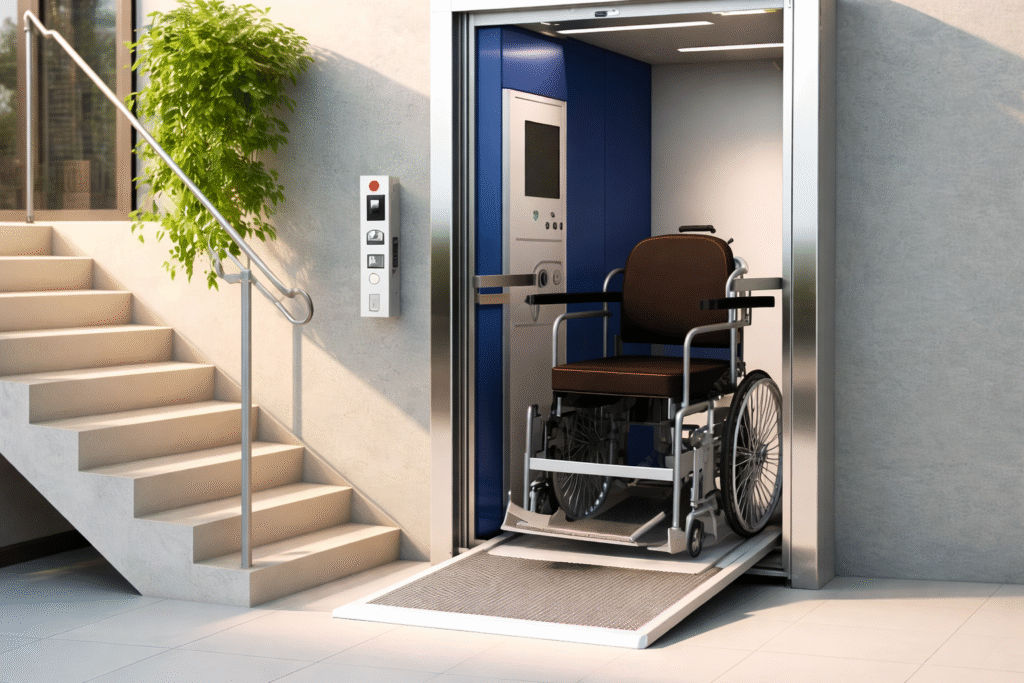
Understanding ADA elevator requirements is essential for property owners, builders, and businesses that want to provide safe and equal access. Whether you are installing a wheelchair accessible elevator in a commercial space or considering a small elevator lift for homes, compliance plays a major role in safety, usability, and legal protection.
What Are ADA Elevator Requirements?
ADA elevator requirements are guidelines established under the Americans with Disabilities Act to ensure elevators are accessible to individuals with mobility challenges. These standards apply to most public and commercial buildings.
Core ADA elevator requirements typically include:
- Minimum cab dimensions to accommodate a wheelchair
- Proper door width and timing
- Accessible control panel height
- Braille and tactile buttons
- Audible and visual floor indicators
Meeting these ADA elevator requirements ensures the system qualifies as a wheelchair accessible elevator and provides safe vertical transportation.
Understanding ADA Elevator Compliance
Achieving ADA elevator compliance means your elevator meets federal accessibility guidelines. During installation or modernization, contractors evaluate measurements, entry clearance, and user controls to confirm ADA elevator compliance.
Failure to meet ADA elevator compliance standards can result in penalties or legal risks for commercial property owners. That’s why working with experienced accessibility professionals is critical when installing a wheelchair accessible elevator.
Property managers often request inspections to verify ADA elevator compliance before opening a building to the public.
ADA Elevator Cost: What Affects Pricing?
One of the most common concerns is ADA elevator cost. Pricing varies depending on building size, elevator type, and customization needs.
Factors influencing ADA elevator cost include:
- Cab size modifications to meet ADA elevator requirements
- Structural changes
- Type of drive system
- Installation complexity
- Inspection and permitting
For commercial buildings, ADA elevator costs may be higher due to stricter ADA elevator compliance regulations. However, investing in compliance prevents expensive retrofits later.
When planning a wheelchair accessible elevator, always request a detailed breakdown of the total ADA elevator cost.
Wheelchair Accessible Elevator for Different Spaces
A wheelchair accessible elevator is designed with adequate turning space, easy-to-reach controls, and smooth entry access. Many property owners choose a wheelchair accessible elevator to improve inclusivity and property value.
In residential settings, some homeowners explore a small elevator lift for homes that meets essential ADA elevator requirements while fitting compact layouts. A modern small elevator can sometimes be adapted to satisfy partial ADA elevator compliance, depending on local codes.
Installing a wheelchair accessible elevator ensures seniors and individuals with mobility challenges can move safely between floors. Businesses that prioritize a wheelchair accessible elevator also demonstrate commitment to accessibility standards.
Why ADA Elevator Requirements Matter
Complying with ADA elevator requirements protects building owners from legal risks and enhances user safety. Proper planning for ADA elevator compliance during construction reduces future renovation costs.
Whether you are budgeting for a commercial lift or reviewing ADA elevator cost for a new project, early consultation with accessibility experts ensures smooth approval.
All Access specialize in accessibility solutions and can guide you through ADA elevator requirements from planning to final inspection. For professional consultation and installation support, contact All Access to discuss your project needs.
FAQs:
1. What are ADA elevator requirements for commercial buildings?
ADA elevator requirements include minimum cab size, door width, control height, tactile buttons, and audible signals. These standards ensure the elevator qualifies as a wheelchair accessible elevator and meets federal accessibility guidelines.
2. How do I ensure ADA elevator compliance?
To ensure ADA elevator compliance, work with certified installers and schedule inspections during and after installation. Proper measurements and accessible controls are essential for full compliance.
3. How much does an ADA elevator cost for a commercial property?
ADA elevator cost depends on building height, structural changes, and compliance upgrades. Commercial projects typically cost more due to strict ADA elevator compliance standards.
5. What makes an elevator wheelchair accessible?
A wheelchair accessible elevator includes wide doors, adequate interior space, reachable controls, and safety indicators. These features are defined under ADA elevator requirements.
6. Is ADA elevator compliance mandatory for residential homes?
ADA elevator compliance is generally required for public and commercial buildings. Private homes may not require full compliance, but following ADA elevator requirements improves accessibility and resale value.