Roll In Shower Installation: Complete Guide, Costs & Comparisons
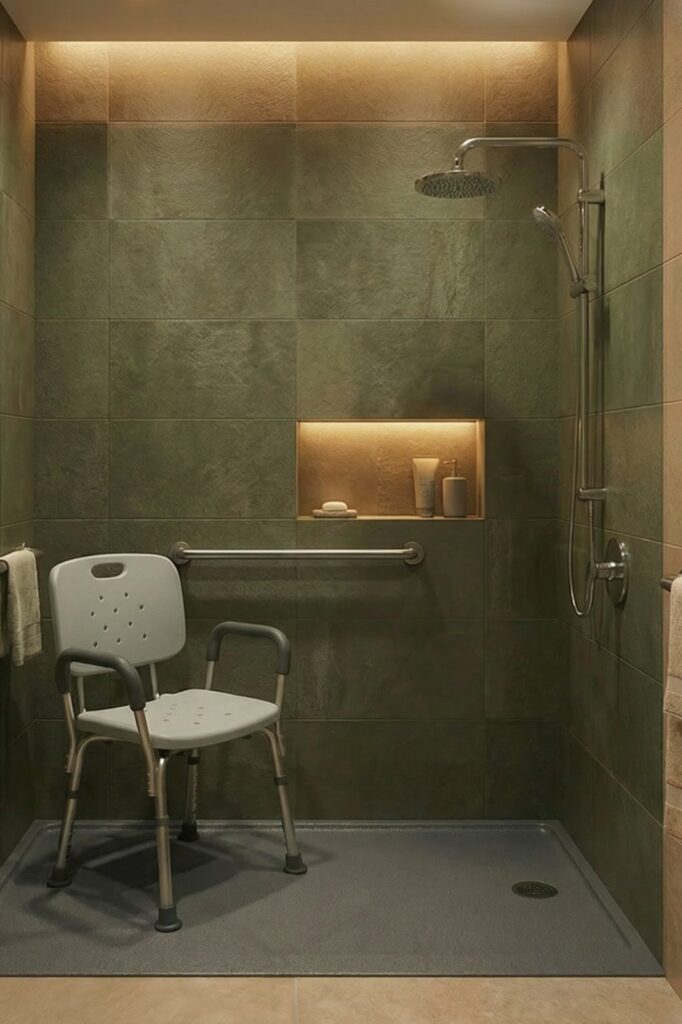
A roll in shower installation is one of the most practical bathroom modifications for improving accessibility and independence. Whether you’re remodeling for aging in place or accommodating a wheelchair user, a properly planned roll in shower installation creates a safer and more functional bathing space.
Roll In Shower for Wheelchair: Why It’s the Ideal Accessibility Solution
A roll in shower installation is specifically designed to allow a wheelchair to enter directly into the shower area without barriers. Unlike traditional shower setups, a roll in shower for wheelchair users eliminates thresholds and raised edges.
Key Features of a Roll In Shower for Wheelchair Use
- Zero-threshold entry
- Wide, open shower base
- Slip-resistant flooring
- Wall-mounted fold-down seat
- Handheld shower wand
- Strategically placed grab bars
A properly executed roll in shower installation ensures smooth wheelchair access without the need to transfer over a curb. This makes daily bathing safer and more convenient.
For homeowners looking to future-proof their property, a roll in shower installation provides both safety and long-term value.
Roll In Shower vs Walk In Shower: What’s the Difference?
When planning a bathroom remodel, many homeowners compare roll in shower vs walk in shower options.
Roll In Shower Installation
- Completely barrier-free
- Designed for wheelchair access
- Larger entry space
- Often meets ADA style guidelines
Walk In Shower
- May have a small curb or lip
- Designed for step-in access
- Not always wheelchair accessible
- Usually smaller in size
The main difference between roll in shower vs walk in shower designs is accessibility. A roll in shower installation removes all thresholds, while walk-in showers may still require stepping over a small edge.
If wheelchair mobility is required, a roll in shower installation is typically the safer and more appropriate choice.
Transfer Shower vs Roll In Shower: Which One Should You Choose?
Another common comparison is transfer shower vs roll in shower layouts.
Transfer Shower
- Smaller shower compartment
- Includes built-in seat
- User transfers from wheelchair onto seat
- Typically 36” x 36” size
Roll In Shower Installation
- Larger open design (often 60” wide)
- Wheelchair rolls directly inside
- No need for lateral transfer
- Greater maneuverability
When deciding between transfer shower vs roll in shower, consider mobility level. A roll in shower installation is ideal for users who remain seated in their wheelchair. A transfer shower works better for those who can safely move from wheelchair to seat.
For maximum accessibility and convenience, many homeowners choose a roll in shower installation over a transfer model.
Roll In Shower Cost: What to Expect
The total roll in shower cost depends on bathroom size, plumbing adjustments, materials, and customization.
Average Roll In Shower Cost Breakdown
- Basic remodel: Mid four-figure range
- Custom tile installation: Higher four-figure range
- Structural modifications: Additional cost
- Drain relocation: Increases overall project budget
A full roll in shower installation often involves removing the existing tub or shower base, lowering the subfloor, waterproofing, and installing proper drainage systems.
Because structural modifications may be required, the roll in shower cost can vary significantly depending on your home’s layout.
While the initial investment may be higher than a traditional shower remodel, a professional roll in shower installation increases safety and long term usability.
How to Install a Roll In Shower: Step-by-Step Overview
If you’re wondering how to install a roll in shower, here’s a simplified breakdown of the process:
1. Planning & Measurement
Accurate measurements ensure the roll in shower installation meets accessibility requirements and fits your bathroom layout.
2. Demolition
Remove the existing tub or shower structure.
3. Floor Modification
The subfloor may need to be lowered to create a true zero-threshold entry.
4. Drain Installation
Proper slope and drainage are essential in any roll in shower installation to prevent water pooling.
5. Waterproofing
Install waterproof membranes and wall backer boards.
6. Wall & Fixture Installation
Add grab bars, handheld showerheads, and optional seating.
Because of structural adjustments and waterproofing requirements, professional installation is strongly recommended when considering how to install a roll in shower correctly and safely.
For reliable workmanship and customized solutions, All Access will be the best choice to ensure your roll in shower installation is completed safely, efficiently, and built to last.
Why Professional Roll In Shower Installation Matters
A well-executed roll in shower installation must ensure:
- Proper slope for drainage
- ADA-style accessibility clearance
- Secure grab bar anchoring
- Long-term waterproofing integrity
An improperly done roll in shower installation can lead to leaks, drainage problems, or unsafe conditions.
For homeowners considering an accessible shower installation, working with experienced professionals ensures code compliance and long term durability. For expert planning, quality craftsmanship, and reliable service, contact All Access to discuss your roll in shower installation project and find the right solution for your home.
Investing in the Right Roll In Shower Installation
A roll in shower installation is a smart investment for improving bathroom accessibility, comfort, and safety. Whether you are comparing roll in shower vs walk in shower, deciding between transfer shower vs roll in shower, or evaluating total roll in shower cost, the right design will depend on mobility needs and available space.
With careful planning and proper installation, a roll in shower installation provides independence, convenience, and long term peace of mind.