Home Stair Elevators: 2026 Guide for Safer, Easier Mobility
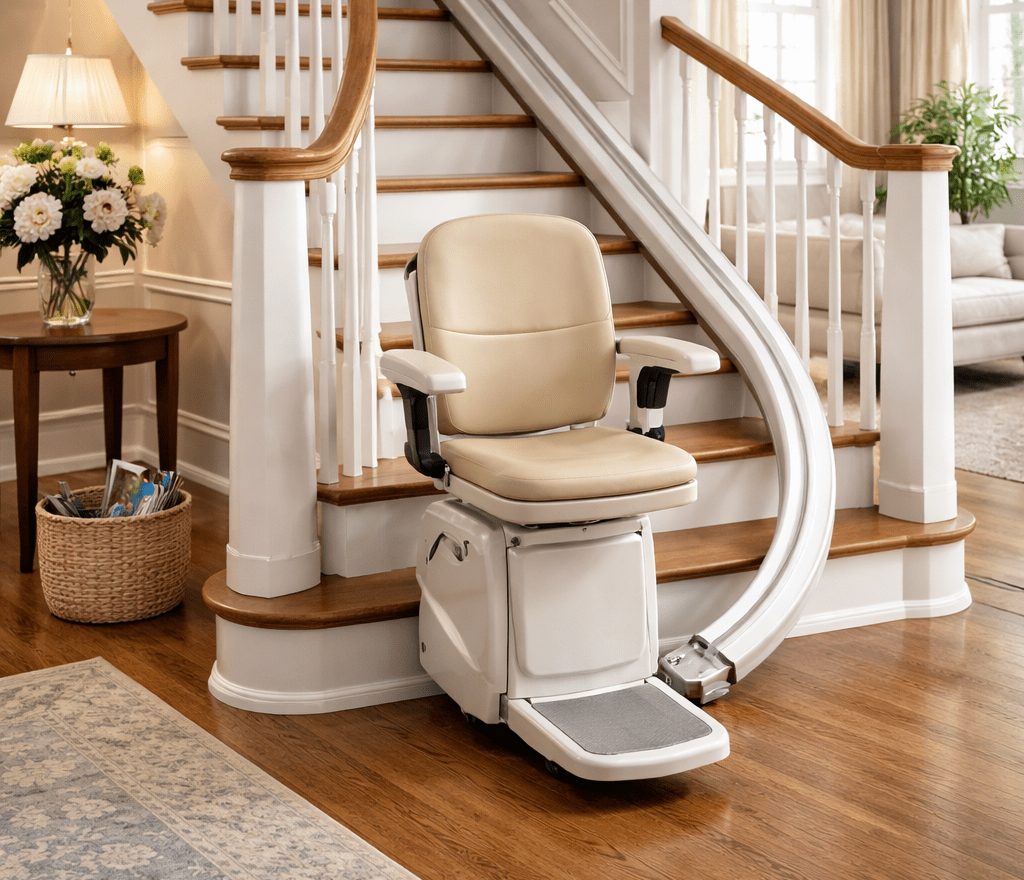
Moving between floors can become challenging for many homeowners over time. Whether it is due to aging, injury or mobility limitations, climbing stairs every day may feel unsafe or exhausting. Installing an elevator for home stairs is one of the most practical ways to make your home more accessible and comfortable.
A well installed elevator for home stairs allows people to move safely between levels without worrying about balance or fatigue. Many families today choose a home stairs elevator as a long term accessibility solution because it improves independence and safety.
What Is an Elevator for Home Stairs?
An elevator for home stairs is a mobility device designed to help people travel safely up and down a staircase. Instead of climbing steps, users can ride on a lift that moves along a rail attached to the staircase. For many households, installing a home stairs elevator is a practical alternative to moving to a single floor home. It allows family members to stay in their current home while maintaining independence.
A modern elevator for home stairs is compact, reliable, and designed to blend with the home interior. Many models include safety sensors, smooth start and stop functions and easy controls. Because of these features, more homeowners now consider a home stairs elevator when planning accessibility upgrades.
Benefits of Installing a Home Stairs Elevator
Adding an elevator for home stairs offers several benefits for people with mobility challenges.
- Improved safety: Using a home stairs elevator reduces the risk of falls on stairs, which are one of the most common household accidents.
- Greater independence: With an elevator for home stairs, users can move between floors without assistance.
- Comfort and convenience: A home stairs elevator allows users to travel between floors smoothly without physical strain.
- Better home accessibility: Installing an elevator for home stairs ensures your home remains comfortable and accessible for years.
Home Elevator vs Stair Lift
Many homeowners compare home elevator vs stair lift when planning accessibility upgrades. A stair lift travels along the staircase and carries a user on a chair or platform. It is often the simplest solution for existing staircases. A home elevator, on the other hand, is a vertical lift installed through floors and requires more space and construction.
When comparing home elevator vs stair lift, stair lifts are usually faster to install and more affordable. A home elevator may be better for homes with multiple floors and enough space for installation. Choosing between home elevator vs stair lift depends on your home layout, mobility needs, and budget.
Stand on Stairlifts: A Practical Option for Compact Spaces
Not every staircase has enough space for a seated lift. In these cases, standing on stairlifts can be a useful alternative. Unlike traditional models, stand on stairlifts allow the user to remain standing while traveling along the staircase. This design works well in narrow staircases where a seated lift might block the path.
Many homeowners prefer standing on stairlifts because they take up less space and allow other family members to use the stairs comfortably. Another benefit of stand on stairlifts is that they are easier for users who have difficulty bending their knees. Instead of sitting down and standing up again, the user simply stands during the ride.
Modern stand on stairlifts also include safety rails, secure foot platforms and smooth controls. Because of these advantages, stand on stairlifts are becoming a popular solution in compact homes.
Understanding Stair Elevator Prices
Before installing a lift system, many homeowners want to understand stair elevator prices. The cost of a stair lift depends on several factors including staircase design, lift type, and installation requirements.
Straight staircases usually have lower stair elevator prices because they require a simpler rail system. Curved staircases often have higher stair elevator prices since the rail must be custom designed. Features such as folding seats, safety sensors, and remote controls can also influence stair elevator prices.
Installation and maintenance may also affect total stair elevator prices, so it is important to consider long term costs. While researching stair elevator prices, homeowners should request a professional assessment to determine the best solution for their staircase.
Understanding stair elevator prices helps families plan their budget and choose a system that fits their needs.
What Is the Standing Stair Lift Price?
The standing stair lift price can vary depending on the model, staircase structure, and installation requirements. A basic system may have a lower standing stair lift price, while advanced models with additional safety features may increase the standing stair lift price.
On average, the standing stair lift price may range between approximately $3,000 and $7,000 depending on the staircase type and installation needs.
Homes with straight staircases typically have a lower standing stair lift price compared to homes with curved stairs. Another factor affecting the standing stair lift price is customization. Certain homes require special rails or additional safety supports.
Because each staircase is unique, the final standing stair lift price is usually determined after a home evaluation. For homeowners with narrow staircases, the standing stair lift price may still be a cost-effective option compared to larger accessibility equipment.
Understanding the standing stair lift price helps homeowners choose a solution that balances safety, comfort, and budget.
Choosing the Right Elevator for Home Stairs
Selecting the right elevator for home stairs depends on several factors:
- Staircase width and design
- Mobility needs of the user
- Budget and installation requirements
- Available space in the home
Some homeowners prefer a seated home stairs elevator, while others choose standing lifts when space is limited. Professional consultation is often the best way to determine the right elevator for home stairs for your home.
Accessibility experts can assess the staircase, recommend the right home stairs elevator, and ensure safe installation. All Access helps homeowners evaluate their needs and recommend suitable mobility solutions for different types of staircases.
If you are planning to improve accessibility in your home, you can contact All Access to discuss available options and schedule a home assessment.
FAQs
1. What is an elevator for home stairs?
An elevator for home stairs is a lift system that moves along a staircase and helps people travel safely between floors without climbing steps.
2. How much do stair elevator prices usually cost?
Stair elevator prices vary depending on the staircase type, features, and installation requirements. Straight staircases generally cost less than curved ones.
3. Are stand on stairlifts safe to use?
Yes, modern stand on stairlifts include safety rails, stable platforms, and secure controls to ensure safe operation.
4. What affects the standing stair lift price?
The standing stair lift price depends on staircase design, customization needs, and safety features included in the lift.
5. Should I choose a home elevator or stair lift?
When comparing home elevators vs stair lifts, stair lifts are usually more affordable and easier to install, while home elevators require more space and construction.