We Installed a Stairlift in Roxborough, Philadelphia – A Real Story of Safer, Independent Living
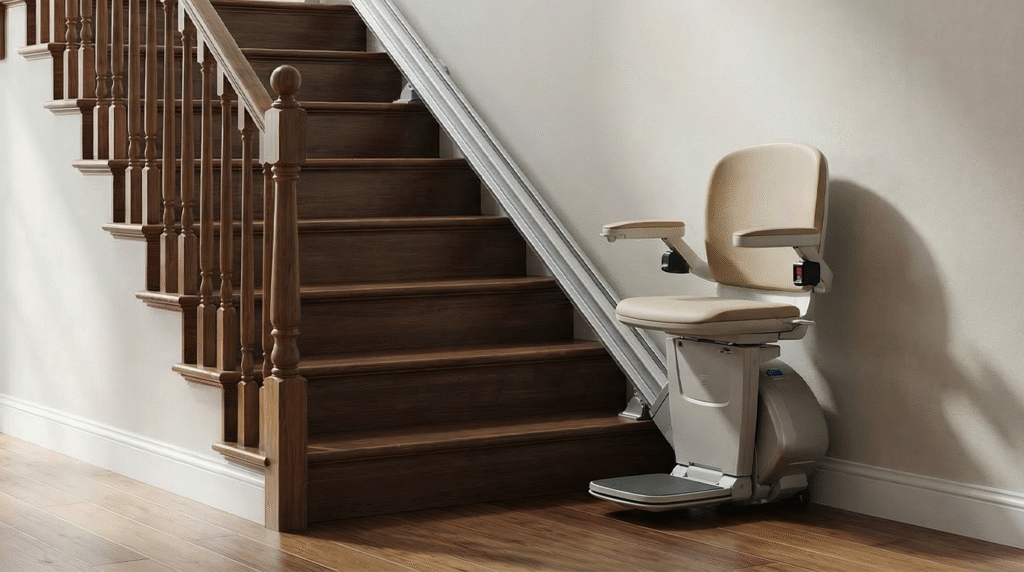
A few months ago, we got a call from Margaret, a 74-year-old woman living in Roxborough. Her daughter had reached out on her behalf. Margaret had been avoiding the upper floor of her own home for weeks. A recent knee surgery had made the stairs not just painful, but genuinely dangerous. She wasn’t ready for a nursing home. She just needed a little help getting up the stairs.
That call is why we do what we do. And it’s why we wanted to write this post not to sell you something, but to walk you through a real stairlift installation in Philadelphia from start to finish. What it looks like, what it costs, and what it feels like on the other side.
Why Stairs Become a Problem Before People Expect
Most people assume accessibility challenges sneak up gradually. In reality, a single health event: a fall, a surgery, a diagnosis can turn a familiar staircase into an obstacle overnight. We’ve worked with homeowners across Philadelphia who never imagined they’d need a stairlift until suddenly they did.
The stairs in older Philadelphia row homes are particularly steep. Many were built in an era when accessibility wasn’t part of the design conversation. If you live in Fishtown, Germantown, or South Philly, you know exactly what we mean narrow, sometimes curved, always unforgiving.
For Margaret, the risk wasn’t just an inconvenience. Her bedroom, her bathroom, her entire daily routine was upstairs. The alternative of moving everything to the first floor or relocating entirely felt like surrendering independence she’d worked her whole life to keep.
Choosing the Right Type of Stairlift
When our team visited Margaret’s home for the initial assessment, the first question wasn’t about the budget, it was about her specific needs. Not all stairlifts are created equal, and matching the right unit to the right person makes all the difference.
For most of our clients, a standard seated stairlift works well. But Margaret had limited hip flexion from her surgery, which made sitting at a right angle uncomfortable for more than a few seconds. That’s where the standing stair lift came in.
What Is a Standing Stair Lift?
A standing stair lift is exactly what it sounds like rather than sitting, the user stands or leans against a padded platform and rides up or down the staircase in a near-upright position. For people with hip or knee conditions, recent joint replacements, or those who simply find it hard to lower themselves into a seat, a standing stair lift is often far more comfortable and practical.
Standing Stair Lift: Is It Right for You?
We explained the options clearly, without pressure. Margaret’s daughter asked questions. We answered honestly including the cases where a seated lift might actually be the better choice. That conversation took about forty minutes, and we think it’s the most important part of any installation process.
The Installation Day: What Actually Happens
One of the most common worries we hear is about the installation itself. Will it damage the staircase? How long does it take? Will the house be turned upside down?
For Margaret’s home, our certified stair lift installer arrived at 9 a.m. with the rail and unit already pre-cut to the measurements taken during the assessment visit. Installation for a straight staircase typically takes two to four hours. The rail mounts directly to the stair treads not the wall so there’s no structural damage and no patching required when it’s eventually removed.
By noon, Margaret was taking her first ride. She stood at the base of the stairs, gripped the handlebar, pressed the button, and for the first time in weeks went upstairs without a second thought. Her daughter cried. Our installer, who has done hundreds of these jobs, still says moments like that never get old.
Why the Right Stair Lift Installer Matters More Than You Think
A poorly installed rail creates vibration, noise, and in the worst cases safety risks. A qualified stair lift installer doesn’t just bolt a rail to your stairs. They assess the load-bearing capacity, check the electrical setup, test the safety sensors, configure the speed settings for the individual user, and walk the client through every function before they leave.
All Access technicians are factory-trained and certified on the brands we carry. We don’t subcontract installations to general handymen. Every job is completed by someone who understands the mechanics deeply and who takes accountability for what they’ve installed.
After Margaret’s stairlift installation, our tech spent 20 minutes just going over the remote controls, the charging dock, and the emergency stop. Small things. Huge peace of mind.
Three Months Later: How Margaret Is Doing
We followed up with Margaret’s family recently. She’s been using her stairlift row home every single day. Her morning routine is back. She’s sleeping in her own bedroom. She’s hosting her grandkids for Sunday dinners again.
She told us she wishes she’d done it sooner.
That’s the part that stays with us. The hesitation that keeps people waiting, concerned about cost, about what it looks like, about admitting they need help is usually the only thing standing between someone and a much better daily life.
If you’re in Philadelphia and you’re at that point of considering your options, we’d genuinely like to talk. No high-pressure sales visit. Just an honest conversation about what’s possible in your specific home.
Frequently Asked Questions:
How long does it take to install a stairlift in Philadelphia?
For a straight staircase, installation typically takes between two and four hours from start to finish. Curved staircases may take longer since they require a custom-fabricated rail. Our team schedules a dedicated installation window so there are no rushed jobs we don’t leave until everything is working correctly and you’re comfortable using it.
What is a standing stair lift and who is it best suited for?
A standing stair lift allows the user to ride in an upright or slightly leaning position rather than seated. It’s particularly well-suited for people who have had hip or knee replacement surgery, those with arthritis or limited joint mobility, or anyone who finds it difficult to lower themselves into a chair. We always recommend a home assessment to determine which style fits your needs best.
Will a stairlift damage my stairs or walls?
No. The rail system mounts directly to the stair treads not the wall using a minimal number of anchor points. There’s no structural modification required. When the lift is removed, the mounting holes are small and easy to fill. Philadelphia’s older row homes are a great fit for this type of installation precisely because the stairs themselves provide the mounting surface.
What should I look for when choosing a stair lift installer?
Look for a stair lift installer who is factory-certified on the brands they carry, offers a thorough in-home assessment before quoting, and handles installation with their own trained technicians rather than subcontracting. Ask about warranty coverage on both the equipment and the installation labor. A reputable company will also walk you through using the lift before they leave and follow up after the job.
Can a stairlift be installed on curved or narrow staircases common in Philadelphia row homes?
Yes — though it requires a custom-curved rail rather than a standard straight rail, which affects cost and lead time. Many Philadelphia row homes have narrow or steep stairs, and our team has significant experience assessing and installing in these exact conditions. During the home visit, we measure carefully and advise on any layout considerations before any commitment is made.