Small Elevator Lift for Home: A Complete Accessibility Guide for Modern Living
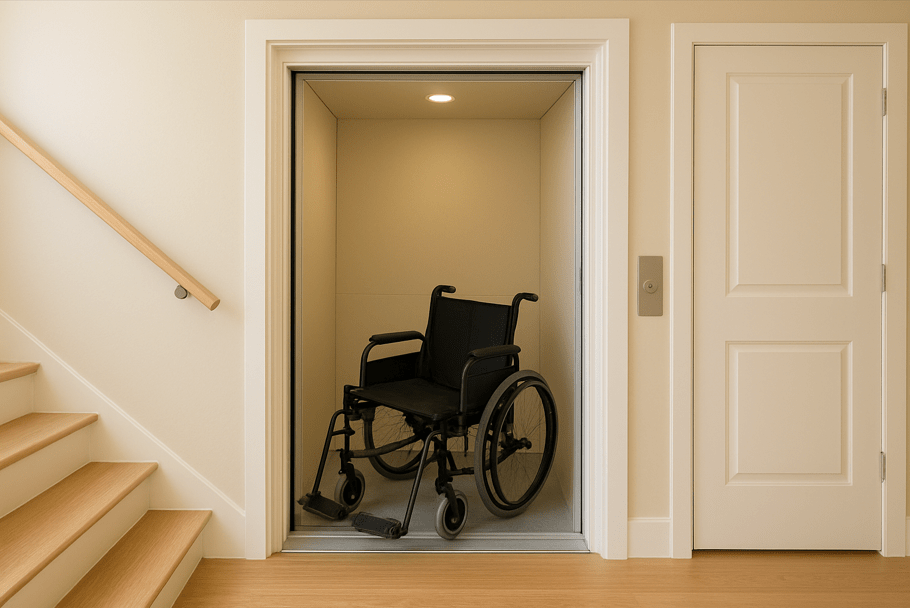
A small elevator lift for home isn’t really a luxury thing anymore. For seniors, wheelchair users and people dealing with mobility challenges, it’s becoming a pretty practical solution and in many cases, a life changing one. Modern residential elevators are built to work inside real homes, not mansions. They are compact, designed for tight spaces, and don’t usually require tearing the house apart just to move between floors safely.
If you’re looking into a small elevator lift for home, here we walk through the basics sizes, costs, installation considerations and how accessibility-focused options help people stay independent longer. We’ll also touch on how these elevators compare to stairlifts, and how to figure out what actually makes sense for your home instead of just what looks good on paper.
Snapshot Summary: Small Home Elevator Essentials
- Works best in multi level homes with mobility needs
- Built for wheelchairs, seniors and caregivers
- Takes up far less space than traditional elevators
- A long term accessibility upgrade, not a short-term fix
- Installed by accessibility specialists, not general contractors
What Is a Small Elevator Lift for Home?
A small elevator lift for home is a compact vertical lift system made specifically for residential spaces. It’s not a scaled down commercial elevator. The focus here is accessibility, safety and smart use of space not moving dozens of people at once.
You’ll usually see them in:
- Private homes
- Duplexes
- Townhouses
- Accessibility modified residences
These elevators let people move between floors while staying seated in a wheelchair or standing securely inside an enclosed platform. No balancing on stairs. No constant assistance. Just safer movement, floor to floor.
What Is the Smallest Residential Elevator?
One of the first questions homeowners ask is pretty straightforward: what is the smallest residential elevator that still meets accessibility standards?
Typical Minimum Size Requirements
| Feature | Approximate Size |
| Cabin width | 36-40 inches |
| Cabin depth | 48-54 inches |
| Door width | 32-36 inches |
| Weight capacity | 750-1,000 lbs |
The small elevator for home size is carefully designed to handle wheelchairs while keeping structural changes to a minimum. Some models don’t even need a machine room or a deep pit, which makes them especially useful when you are retrofitting an existing house instead of building from scratch.
Small Elevator for Home Size: How Much Space Do You Really Need?
With the right planning, a small elevator lift for home can fit into spaces you’d never expect: old closets, unused corners, even areas near stair landings.
Space Planning Checklist
- Clear floor-to-floor height
- Electrical access
- Structural wall support
- Wheelchair turning radius
- Emergency power options
Small Home Elevator Cost: What Impacts Pricing?
Understanding the small home elevator cost early on helps avoid confusion later. Even though prices can vary widely, what really matters is why they vary. A home elevator isn’t a one-size-fits-all product, and several practical factors shape the overall investment.
What Influences the Cost of a Small Home Elevator?
Type of equipment
Different elevator systems are built in different ways. The drive system, cabin design and safety features all play a role in how complex the unit is and what it requires to operate smoothly in a home setting.
Installation complexity
Every home is different. The number of floors, available space and whether the elevator is being added to an existing structure or planned during construction can significantly affect installation requirements.
Customization and finishes
Accessibility focused elevators often include custom options to support comfort and safety. Interior finishes, control placement, door styles and accessibility enhancements all factor into the final scope of the project.
Ongoing care and maintenance
Like any mechanical system, a home elevator requires regular servicing to keep it running safely and reliably over time. Maintenance needs are part of long term planning, not just the initial installation.
The final small home elevator cost depends on things like:
- Number of floors
- Load capacity
- Drive system (hydraulic, traction, pneumatic)
- Custom accessibility features
Yes, the upfront price is higher than stairlifts. But elevators give full-home access and tend to hold their value over time.
A lot of homeowners end up comparing a small lift for home use with stairlifts before deciding.
Accessibility First: Who Benefits Most?
A small elevator lift for home works especially well for:
- Seniors who want to age in place
- Wheelchair users
- People with balance or stability issues
- Families with disabled members
- Multi-generational households
All Access looks beyond floor plans and measurements. They focus on real life mobility, how someone moves through their home every day and where support actually matters.
Installation Process: What to Expect
Installing a small elevator lift for home isn’t guesswork. It is a structured process handled by accessibility specialists.
Step-by-Step Overview
- Home accessibility assessment
- Space and structural evaluation
- Equipment selection
- Permit approvals
- Stair lift installation or elevator setup (depending on needs)
- Safety testing and user training
This is where accessibility installers differ from general contractors. They understand disability related requirements, safety standards and compliance issues that go far beyond basic construction.
Why Accessibility Experts Matter
Accessibility upgrades aren’t typical renovations. Working with experienced specialists helps ensure:
- ADA aligned design principles
- Safe weight capacities
- Emergency backup systems
- Proper wheelchair clearance
All Access offers more than just elevators. They provide stairlifts and platform lifts too, helping match the solution to the person not the other way around.
Safety Features to Look For
A dependable small elevator lift for home should include:
- Emergency stop buttons
- Battery backup power
- Non-slip flooring
- Automatic door locks
- Smooth start-and-stop movement
These details matter, especially for seniors or anyone with limited balance or strength.
FAQs: Small Elevator Lift for Home
1. Is a small elevator lift for home safe for seniors?
Yes. Modern residential elevators are designed specifically for senior safety and controlled movement.
2. What is the smallest residential elevator available?
Most start around 36” x 48” and still support wheelchair access.
3. How long does installation take?
Usually 2-4 weeks, depending on the home’s structure.
5. Does a small lift for home use increase property value?
Often yes. Accessibility features can improve resale appeal.
6. Can elevators be installed in existing homes?
Yes. Many models are built specifically for retrofitting.
7. Are elevators better than stairlifts?
For wheelchair users and long term needs, elevators offer broader access.
8. Do elevators require a machine room?
Some newer designs don’t, which helps in smaller homes.
9. Who installs residential elevators?
Accessibility specialists not general contractors handle proper installations.
10. How do I get started with accessibility planning?
Contact All access to schedule a professional accessibility assessment.
Choosing the Right Accessibility Solution
A small elevator lift for home isn’t just another home upgrade. It’s about independence, safety, and staying comfortable in a place that already feels like home. For seniors and people with disabilities, it removes everyday barriers that slowly wear people down over time.
When accessibility really matters, working with experienced providers – All Access helps ensure every detail from size to safety is based on real human needs, not just square footage. If you’re ready to explore solutions built around your home and your mobility needs, Contact All access and take the first step toward safer, more inclusive living.