Home Accessibility Modifications by Room: The Complete Guide
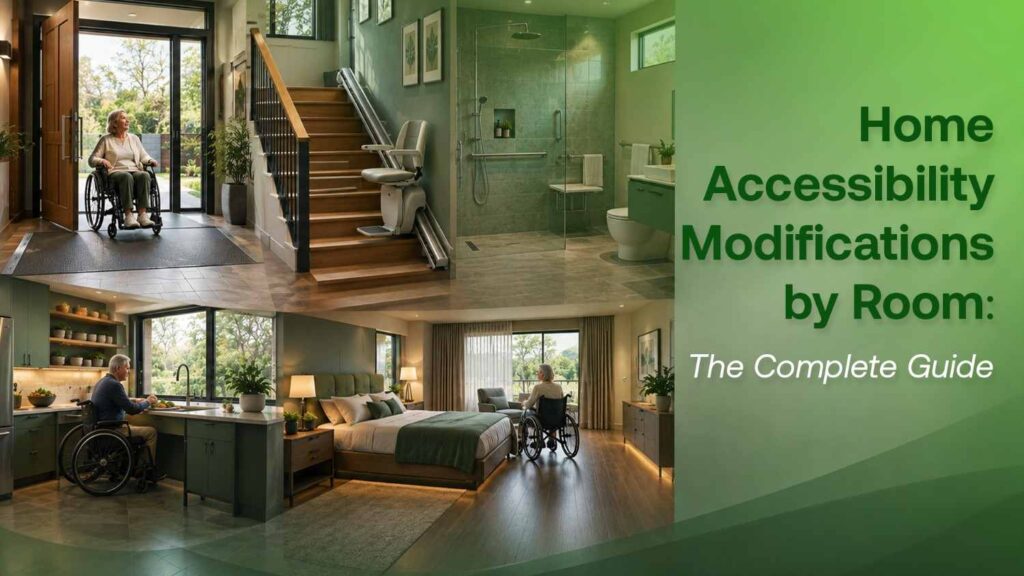
Living independently at home shouldn’t depend on how many stairs lead to your front door or how far you can reach into a cabinet. For seniors, veterans, and anyone navigating a mobility challenge, thoughtful home accessibility modificationscan turn a house full of obstacles into a space built around daily ease. This guide walks through every major room, so whether you’re planning ahead or responding to a recent change in mobility, you’ll know exactly where to start.
At All Access, we work with Philadelphia families every day who are weighing these same decisions, and we’ve built this room-by-room breakdown to help you make sense of the options before you commit to any single project.
What Are Home Accessibility Modifications?
Home accessibility modifications are structural or design changes that make a living space safer and easier to navigate for people with disabilities, chronic conditions, or age-related mobility limits. These range from a fifteen-minute grab bar installation to a full accessibility remodel. The Americans with Disabilities Act sets the technical benchmarks many contractors reference, and the ADA’s official design standards are worth a look if you want the underlying specs, though most residential projects adapt these guidelines rather than following them to the letter, since ADA rules were written for public buildings, not private homes.
The goal in every room is the same: reduce fall risk, widen the margin for error, and preserve independence for as long as possible.
Entryway and Exterior Modifications
The front door is often the first barrier people encounter, and it’s an easy one to underestimate. A single step can be enough to strand someone using a wheelchair or walker.
Common entryway upgrades:
- Wheelchair ramps replacing or supplementing stairs
- Widened doorframes for easier clearance
- Lever-style door handles instead of knobs
- Slip-resistant surfaces and improved exterior lighting
Portable vs. Permanent Ramps
Not every household needs a poured-concrete ramp. A portable wheelchair ramp offers a lighter, lower-cost option that can be adjusted or relocated as needs change, which makes it a smart middle step for families who aren’t ready to commit to permanent construction, or who are renting rather than owning.
Bathroom Modifications
Bathrooms carry the highest fall risk in most homes, thanks to hard tile, standing water, and tight turning radii. This is usually where families start.
Key bathroom upgrades:
- Grab bars near the toilet, shower, and tub
- Roll-in or curbless showers
- Raised or comfort-height toilets
- Non-slip flooring and shower mats
- Handheld showerheads for seated bathing
Grab bar installation is frequently the first project a family tackles, since it’s relatively affordable and delivers an immediate safety return. For anyone still using a standard tub, converting to an ADA-compliant shower removes one of the more dangerous daily transfers in the house.
Kitchen Modifications
Kitchens present a different challenge: reach, not just footing. Lowered counters, pull-out shelving, and front-mounted controls can make meal prep manageable again for someone using a wheelchair or who struggles to stand for long stretches.
Worthwhile kitchen changes:
- Lowered or adjustable-height countertops
- Pull-out cabinets and drawers instead of deep shelving
- Front-control appliances
- Lever-style faucet handles
- Open under-counter space for seated cooking
These modifications tend to be more involved and costly than bathroom changes, so many families phase them in as a longer-term project rather than an urgent one.
Bedroom Modifications
The bedroom is where mobility and safety intersect with rest, so small adjustments here matter more than they might seem to at first glance.
Bedroom essentials:
- Doorways widened to at least 32 inches for wheelchair clearance
- Bed height adjusted for easier transfers
- Accessible closet rods and shelving
- Clear, uncluttered pathways to the bathroom
- Nightlights or motion-sensor lighting for nighttime trips
A cluttered bedroom floor is one of the most overlooked fall hazards in the entire house, and it’s also one of the cheapest to fix.
Stairs and Mobility Between Floors
For homes with multiple levels, stairs can become the single biggest barrier to staying put. This is where mechanical solutions come in.
Options for multi-level homes:
- Stair lifts for straight or curved staircases
- Vertical platform lifts for wheelchair users
- Ramps for short elevation changes
A wheelchair lift is often the right call when someone can’t safely use stairs at all, while a stair lift works well for people who can walk but need extra support and stability moving between floors. Philadelphia’s older rowhomes and multi-story layouts make this one of the most common requests we get from local families.
Paying for Home Accessibility Modifications in Philadelphia
Cost is usually the first question families ask, and understandably so. Home accessibility modifications can range from a couple hundred dollars for grab bars to tens of thousands for a full remodel, but Philadelphia homeowners have more funding options available than most people realize.
Veterans may qualify for VA grant programs that cover ramps, bathroom modifications, and structural alterations. Medicare and Medicaid can, in some circumstances, help offset costs tied to medical necessity. Our Coverage and Care page breaks down the funding sources our clients use most often, including veteran benefits and senior insurance options specific to the Philadelphia area.
Why Choose All Access for Home Accessibility Modifications in Philadelphia
All Access has spent years helping Philadelphia seniors, veterans, and families navigate exactly these decisions, room by room. Our team pairs licensed installers with occupational and physical therapists, so every recommendation is grounded in how you actually move through your home, not just a generic checklist. From a single grab bar to a full accessibility remodel, we manage the process from consultation through installation with transparent pricing and no surprises.
Learn more about our team or explore our full range of home accessibility solutions.
Frequently Asked Questions
What is the most important room to modify first for home accessibility? The bathroom is usually the highest priority, since it carries the greatest fall risk in most homes. Grab bars and a roll-in or curbless shower typically offer the fastest safety improvement for the investment.
How much do home accessibility modifications typically cost? Costs vary widely by project. A grab bar installation might run a few hundred dollars, while a full accessibility remodel involving multiple rooms can reach into the tens of thousands. Many Philadelphia families phase projects room by room rather than tackling everything at once.
Does Medicare or the VA pay for home accessibility modifications? In some cases, yes. VA grant programs can cover ramps and structural alterations for eligible veterans, and Medicare or Medicaid may help with modifications tied to medical necessity. Coverage depends on individual circumstances, so it’s worth a direct conversation with a provider familiar with these programs.
Do I need a permit for a wheelchair ramp or stair lift? Requirements vary by municipality. Philadelphia has its own permitting rules for structural changes like permanent ramps, while portable ramps and stair lifts often fall outside permit requirements. A licensed installer can confirm what applies to your specific project.
Can home accessibility modifications be removed later if needs change? Many can. Portable ramps, grab bars, and stair lifts are generally reversible. Structural changes like widened doorways or roll-in showers are more permanent, though they also tend to add resale value by broadening a home’s appeal.